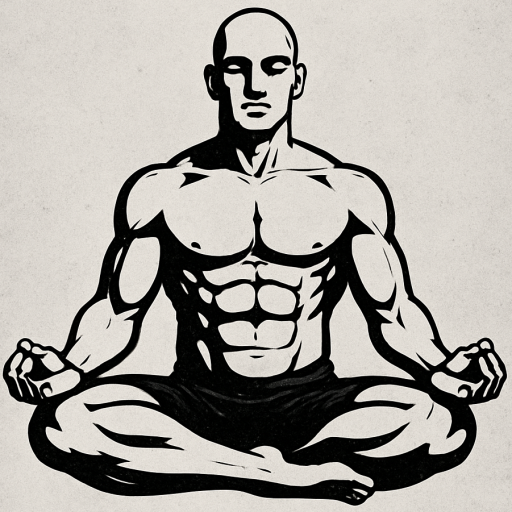
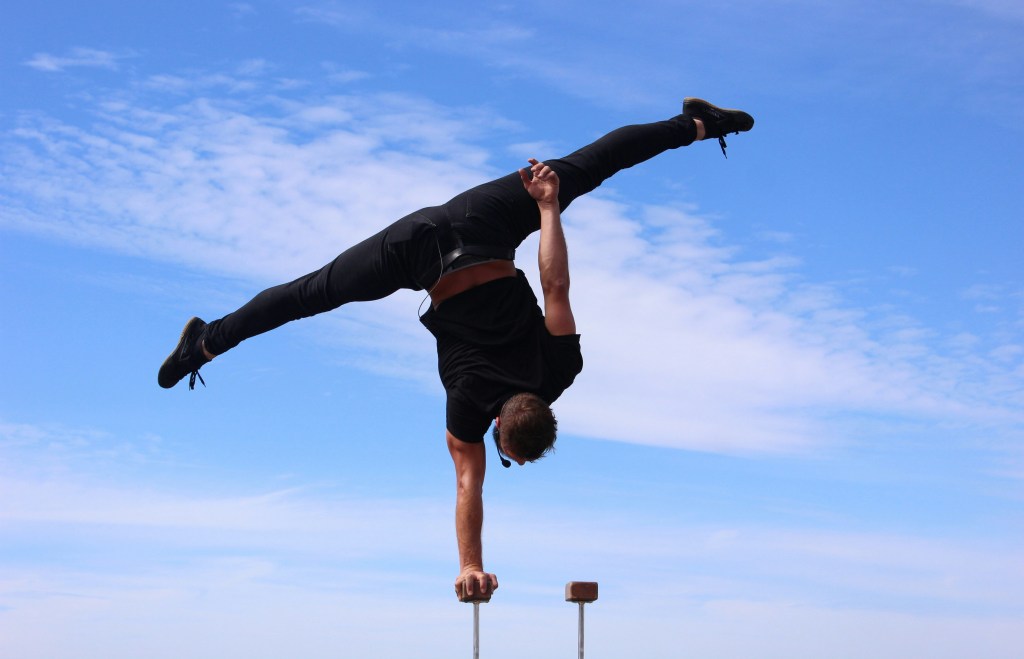
When we talk about living longer, it’s easy to spotlight diet, exercise, or medical checkups. Yet a compelling body of research highlights three underappreciated factors that strongly predict health and independence with age: hand strength, balance, and breath. These aren’t just separate fitness markers—they’re windows into the harmony of your body, mind, and spirit.
1. Hand Strength – A Proven Longevity Biomarker
Handgrip strength isn’t just about your ability to carry groceries. It’s a scientific predictor of mortality. Data from the massive Prospective Urban Rural Epidemiology (PURE) study—spanning over 139,000 participants in 17 countries—found that a 5-kg drop in handgrip strength corresponded to a 16% higher risk of all-cause mortality and a similar risk for cardiovascular death. Notably, grip strength was an even stronger predictor than blood pressure.
👉 Read the study in The Lancet
Further bolstering this, a 2024 analysis of U.S. data (NHANES 2011–2014) confirmed that lower absolute grip strength—and especially being in the lowest 20%—more than doubles the risk of dying from any cause.
👉 See the findings in Scientific Reports
These results make handgrip strength not just a practical measure, but a valuable clinical biomarker of biological aging and resilience.
2. Balance – A Strong Indicator of Survival
Balance may seem simple, but its implications run deep. A study in the British Journal of Sports Medicine followed 1,702 adults aged 51–75: those who couldn’t stand on one leg for 10 seconds had an 84% higher risk of mortality over the next seven years, even after adjusting for age, BMI, and comorbidities.
👉 Read the research abstract
Additionally, Harvard Health confirms these findings, noting that an inability to balance on one leg nearly doubles the risk of premature death.
👉 Harvard Health: Better balance may mean a longer life
3. Breath – The Quiet Regulator of Longevity
Though scientific evidence explicitly tying breathwork to lifespan is still emerging, research strongly supports its role in stress regulation, cardiovascular health, and inflammation reduction:
- A systematic review in Frontiers in Human Neuroscience found that slow breathing significantly increases heart rate variability (HRV), a key marker of stress resilience and healthspan.
👉 Read the review - A study in Hypertension demonstrated that paced breathing can lower blood pressure in patients with hypertension.
👉 Read the study summary - Research in Medical Hypotheses suggests that slow, deep breathing may reduce systemic inflammation by shifting the balance of the autonomic nervous system.
👉 Explore the article
Breath may be the most accessible tool we have—always with us, always free.
The Interconnection – A Holistic System
These three are deeply interwoven:
- Grip strength relies on neuromuscular efficiency, supported by oxygen delivery and nervous-system regulation (shaped by breath).
- Breath calms the nervous system, improving balance and focus.
- Strong posture and grip help open the chest, allowing fuller, healthier breathing.
Together, they form a virtuous loop that supports resilience, independence, and adaptability as we age.
Practical Takeaways Backed by Science
- Hand Strength: Hang from a bar, carry heavy grocery bags, or use grip trainers.
- Balance: Test yourself daily—stand on one leg for 10–30 seconds. Progress with yoga or tai chi.
- Breath: Practice slow diaphragmatic breathing (inhale 4–6 sec, exhale 6–8 sec) for just 2–5 minutes daily.
Simple, consistent practices build not only longevity, but also presence and vitality.
“Life is the dance between strength and surrender; breath is the rhythm, balance is the grace, and together they carry us toward true longevity.”





 Still Mind Strong Body