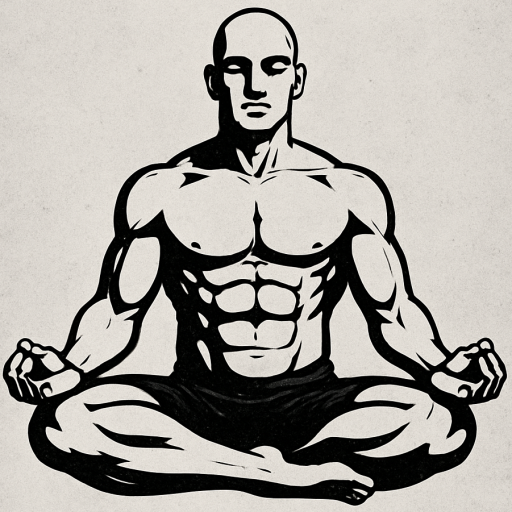

There are times in life when words aren’t enough.
Times when the mind is too loud, the heart too heavy, and nothing anyone says can touch that quiet ache inside. In those moments, I’ve learned to stop reaching for more thoughts—and start listening for vibration.
That’s how I found Solfeggio frequencies. Or maybe, that’s how they found me.
It didn’t come from a textbook or a workshop. It came during a moment of stillness, when I was craving something I couldn’t quite name—a kind of spiritual nourishment. I opened YouTube and typed, almost without thinking, “healing frequency music.” What came up was a video labeled 528Hz – The Love Frequency.
I clicked play.
And something happened.
Not in my head, not even in my emotions—something deeper.
It was as if the sound remembered me.
It bypassed everything I was holding and went straight to the part of me that had been waiting to exhale.
I cried.
Not from sadness, not from joy—just release.
Like my soul had been sung back into my body.
What Are Solfeggio Frequencies, Really?
Spiritually speaking, Solfeggio frequencies are ancient tones—vibrational codes that align with the chakras, the elements, the cosmos, and our own inner blueprint. They are reminders in sound form. Reminders of harmony. Of balance. Of the truth that your body is not just flesh, but energy in sacred motion.
Each frequency holds a specific intention, a particular medicine:
- 396Hz – For releasing guilt and fear, clearing ancestral weight
- 417Hz – For transmuting old patterns and inviting new beginnings
- 528Hz – Often called the “love frequency,” the vibration of DNA healing, inner unity, and cellular harmony
- 639Hz – For restoring connection—to self, to others, to the divine
- 741Hz – For cleansing the energetic field and awakening intuitive clarity
- 852Hz – For remembering the soul’s origin, and deepening spiritual sight
I don’t claim to understand how it all works. But I know this: when I listen, I return to myself.
Sound as a Portal
I often play these frequencies in the background while I meditate, journal, or simply lie on the floor and breathe. Sometimes I use them in motion—during yoga, stretching, or intuitive dance. They seem to unlock something, to shift the currents within me.
Other times, I use them for focus. The right frequency helps me stay anchored when I’m writing or working—like a tuning fork for my attention. And then there are days when I feel blocked, stuck, ungrounded—and I’ll put on 396Hz, close my eyes, and visualize the weight dissolving through my feet into the Earth.
It’s not magic. It’s remembrance.
The frequencies don’t give me something I don’t have. They help me remember what’s already there—peace, clarity, connection, movement, breath, love.
So Simple, So Accessible
And the beauty of it?
It’s free.
It’s everywhere.
You can go on YouTube right now and type “Solfeggio frequencies,” and a thousand sound portals will open. Some are paired with rain, ocean waves, or binaural beats. Some are pure, crystalline tones. All you need is your presence, your breath, and a little willingness to receive.
You don’t need to understand the science or believe in the mysticism. Just feel. Try it. Let the sound touch you.
Try This Tonight
Before bed, light a candle. Lie down.
Search for 528Hz Solfeggio Frequency.
Press play.
Close your eyes.
Breathe into your heart.
Not to fix anything. Not to escape anything.
Just to remember yourself.
Let the sound carry you. Let it hold you.
Let it return you to the part of you that was never broken.
Because the truth is:
You are made of sound.
You are a song the universe has been singing since the beginning.
And sometimes, all it takes is the right note to bring you home.
If this resonates, I’d love to share the specific tracks I listen to most often or help you create a ritual around sound healing. Just let me know. We’re all walking each other home—and sometimes, we just need the right soundtrack for the journey.
“We’re all just walking each other home.” – Ram Dass
 Still Mind Strong Body
Leave a comment